


Our assets
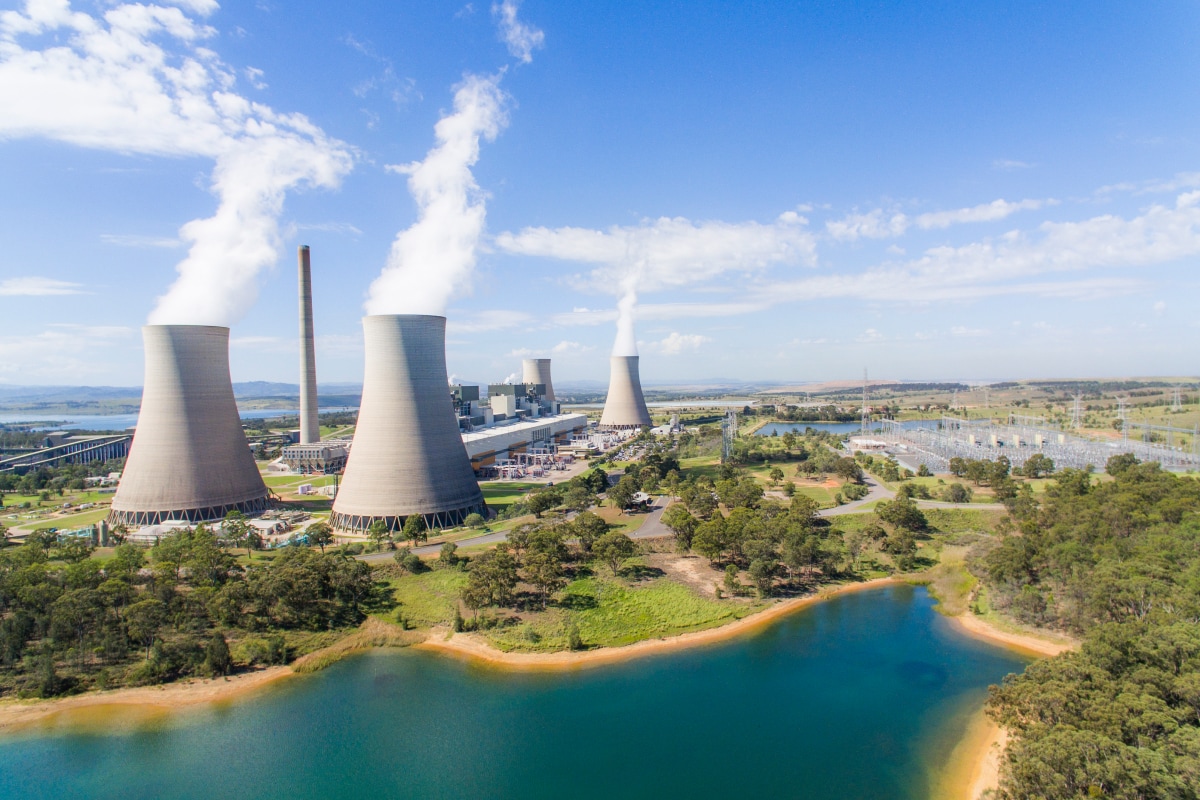
As the Hunter Region diversifies, we’re bringing together industries that can make a positive contribution to the energy transition and transforming the Liddell and Bayswater site into the Hunter Energy Hub.
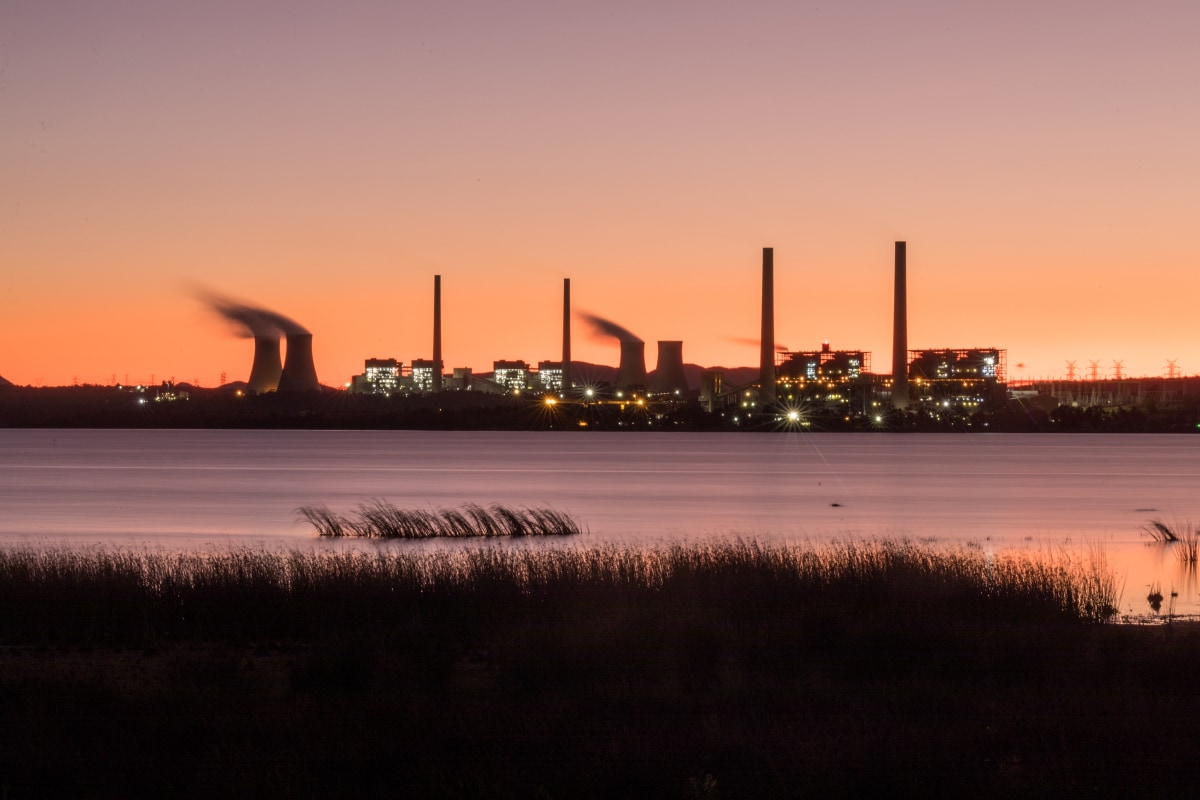
As the Hunter Region diversifies, we’re bringing together industries that can make a positive contribution to the energy transition and transforming the Liddell and Bayswater site into the Hunter Energy Hub.
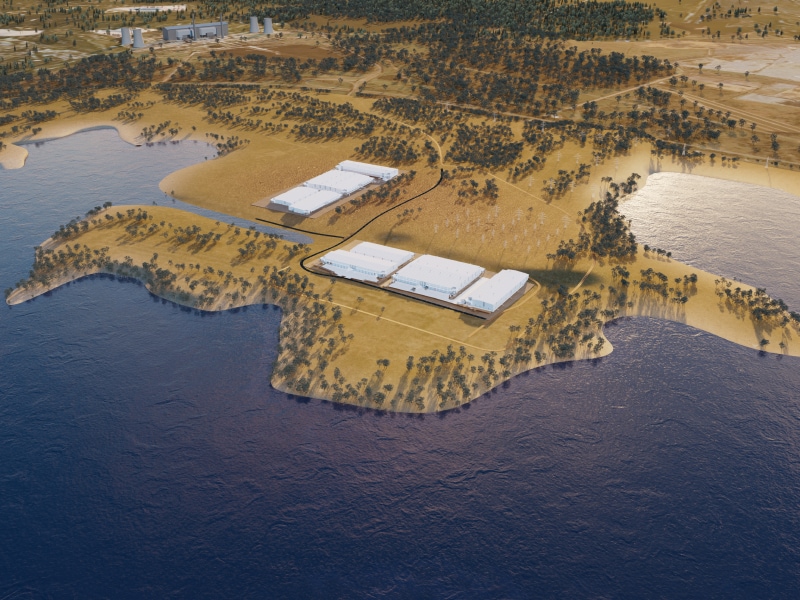
In the years ahead, we’ll be transforming our Liddell and Bayswater site into our first integrated energy hub.
Repurposing existing assets and infrastructure including land, water, transport links and grid connectivity, the Hunter Hub will bring together co-located industries that can make a positive contribution to the energy transition and create economic opportunities for the local community.
Liddell Power Station shut down in April 2023 after more than 50 years of operations.
Since then, AGL has been progressively decommissioning and demolishing the station, including the safe and successful felling of the Liddell chimney stacks in May 2026.
You can watch highlights of the demolition and a short documentary on Liddell's history here.
As part of AGL's Climate Transition Action Plan, the company's vision is to transition its thermal power station sites, including Liddell, into Integrated Energy Hubs.
Learn more about Liddell Future Use and Enabling Works.
Keep an eye out for employment and training opportunities across our Bayswater Power Station, Hunter Energy Hub and renewable energy projects.
We understand the importance of contributing to the growth and diversity of our community, and managing our impact on the environment where we do business.
The purpose of the Project is to improve the management of ancillary processes over the remaining operating life of Bayswater Power Station and to facilitate an improved rehabilitation outcome for the ash disposal area involving:
Optimising and improving ash management including augmenting the existing ash disposal area, replacing the Ravensworth ash transfer pipeline and increasing the capacity of the existing ash harvesting and recycling facilities.
Creation of a salt cake disposal landfill to complete the alternative process for managing water impurities and reduce the reliance on the Hunter River Salinity Trading Scheme.
Improvements to water management around the coal handling plant area.
The Project will include the following elements.
Construction and operation of a new coal ash pipeline to Ravensworth Void No. 3 for ash emplacement (Ravensworth ash line)
Augmentation of the existing Bayswater Ash Dam (BWAD) to provide additional ash storage capacity (Ash Dam augmentation)
Improvements to water management structures and systems to ensure continued collection and reuse of process water and return waters from the BWAD (Ash Dam augmentation)
Improvements to the management of water and waste materials within the coal handling plant (CHP) sediment basin and associated drainage system (Coal handling plant upgrades)
Increasing coal ash recycling activities to produce up to 1,000,000 tonnes per annum of ash derived product material and reuse of coal ash (Ash harvesting upgrades)
Upgrades to existing fly ash harvesting infrastructure including the installation of weighbridges, construction of a new 240 tonne silo, tanker wash facility and additional truck parking (Ash harvesting upgrades)
Construction and operation of a salt cake landfill facility to dispose of salt cake waste from the approved salt caking plant to be constructed at the Bayswater water treatment plant (Salt cake landfill)
Construction and operation of borrow pits on AGL land to facilitate the improvements proposed for the Project and other works on AGL land (Borrow Pits 1 to 4)
Ancillary infrastructure works including repositioning of underground pipelines to above ground, replacement or upgrading of ageing pipelines, vegetation clearing associated with maintaining existing infrastructure, including along existing pipeline corridors as is necessary (HP Pipe clearing, and LSP Pipe clearing).
Environmental Impact Statement
Response letter for AGL Macquarie SSD9697 Independent Environment Audit 2.0 (PDF)
DPE Approval of Construction Environmental Management Plan (PDF)
DPE Approval of Aboriginal Cultural Heritage Management Plan (PDF)
To find documents relating to the Liddell battery and Bayswater Ancillary Works, visit Liddell Battery.