
Operations
Bathurst Battery
The Bathurst Battery is a grid-scale battery proposed for development in Eglinton, NSW.
Operations
The Bathurst Battery is a grid-scale battery proposed for development in Eglinton, NSW.
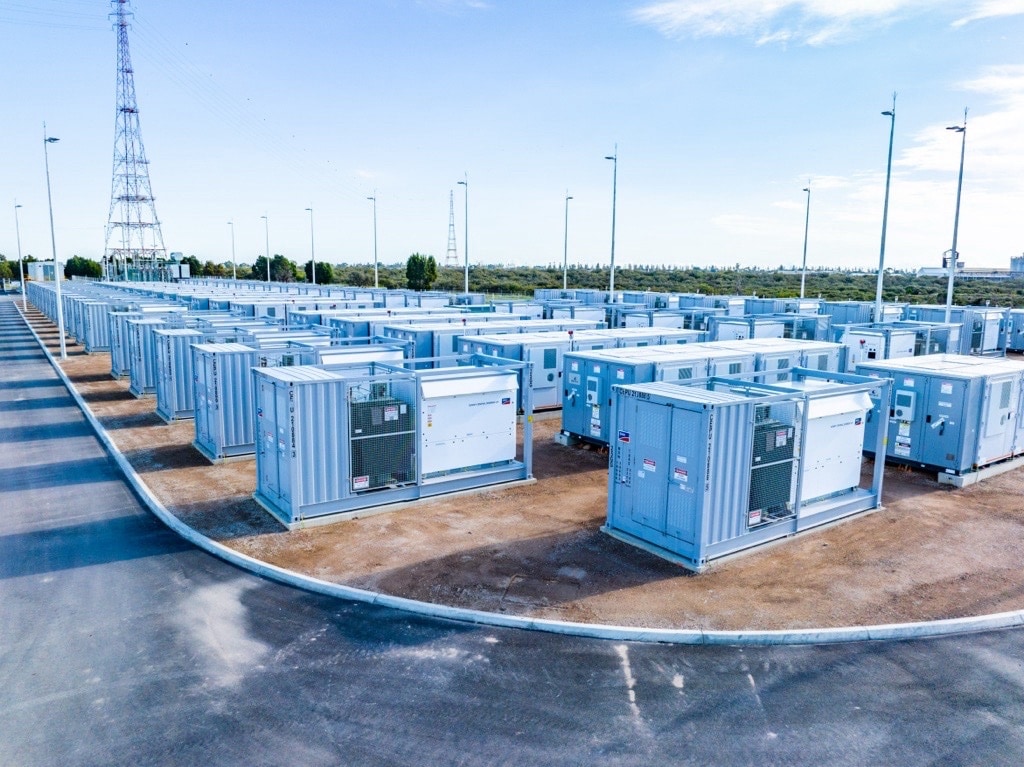
Example of a grid-scale battery – Torrens 250 MW 2 hour battery
The Bathurst Battery is a grid-scale battery proposed for developement in Eglinton, NSW.
It would provide up to 500 MW of electricity to the grid for approximately eight hours (4,000 MWh). The battery will have additional, installed capacity of 5,400 MWh to support performance over its operating life
The location for the proposed battery is approximately 6 km from the centre of Bathurst.
AGL is proposing to build, operate and maintain a grid-scale battery of approximately 500 megawatts (MW).
The construction period for the battery is expected to be around 24 months, with works anticipated to commence in late 2028.
Batteries are a key part of our strategy to support flexibility in the energy system.
The project is expected to deliver local economic benefits, including up to 200 jobs during construction and a small number of ongoing roles in operations, maintenance and vegetation management.

Q3 2026
Q3 2027
2027
Late 2028
2030
The project is considered a State Significant Development (SSD) under section 4.36 of the Environmental Planning and Assessment Act 1979. SSD classification applies to certain types of projects based on their scale, capacity or potential impacts, and means they are assessed by the NSW Government.
The first step in the SSD process is to submit a Scoping Report to the NSW Department of Planning, Housing and Infrastructure to request the Secretary’s Environmental Assessment Requirements (SEARs). The SEARs will detail the investigations needed to inform an Environmental Impact Statement (EIS). AGL is currently preparing the scoping report for the Project.

Preliminary studies and early community engagement are undertaken to identify the proposal’s impacts and issues for assessment.

Planning Secretary's Environmental Assessment Requirements (SEARs) are issued.

Community engagement and technical studies are undertaken to inform the environmental impact statement (EIS).

The EIS is placed on public exhibition for agency and community feedback.

AGL considers the comments and issues raised about the EIS in a submissions report.

The Department of Planning, Housing and Infrastructure assesses the proposal and makes a referral for decision.

The Minister or the Independent Planning Commission approves or refuses the proposal.
AGL is committed to building and fostering trust with all stakeholders.
AGL will engage with the local community, State and Federal government, Bathurst Regional Council, Bathurst Local Aboriginal Land Council and businesses in the region about the proposed Project. AGL aims to work closely with the community and key stakeholders throughout the project to understand any concerns and questions.
If you have a project question or concern, please reach out to us at any time using the contact details below.
AGL aims to work closely with local businesses and suppliers where possible throughout the development of the project.
If your business wants to be involved in the project, you can register your interest by completing the online form.
AGL understands that we don’t always get it right, and we want to be informed when we don’t. If you would like to provide any feedback, good or bad, or simply ask some questions, please feel free to get in touch via the following channels:
Learn more about how we handle general customer complaints on our complaints page.


