Energy efficiency for renters: practical ways to reduce energy bills

If you rent your home, making upgrades like installing solar panels or replacing insulation may not be an option. The good news is that many of the most effective energy-saving measures are low-cost and easy to implement.

Whether you're renting an apartment, townhouse or family home, small changes can help reduce energy use and lower your energy bills.

Why energy efficiency matters for renters

Renters often have less control over the energy performance of their home, but they still pay the bills. The most effective approach is to focus on changes that don't require structural modifications, such as improving everyday habits, reducing energy waste and making portable upgrades you can take with you when you move. Often simple behavioural changes and small updates can make a meaningful difference to household energy costs. 

Start with no-cost energy saving habits

The easiest way to reduce energy use is by making a few changes to your daily routine. Even small adjustments can add up over time when you know where energy is being used. A combination of simple habits and practical home updates can contribute to meaningful reductions in energy consumption.

Use heating and cooling efficiently

Heating and cooling are often among the largest contributors to household energy bills. Small thermostat adjustments can make a noticeable difference to electricity usage. Avoid setting temperatures higher or lower than necessary and use fans where possible to stay comfortable. The most energy efficient temps are: 18 to 20 °C for heating in winter and 25 to 27 °C for the air conditioner in summer. And don’t forget to clean your air-conditioning filters – a clean filter can reduce energy use by 5-15%.

Use water wisely

Aim to keep your shower time to under 4 mins and switch to a low-flow showerhead. And, if you have a dishwasher, use the eco setting and wait until it is full before turning it on.

Track your energy use

Understanding how and when you use electricity can make it easier to identify opportunities to save.

Look for patterns such as:

  • Seasonal increases in heating or cooling

  • Appliances that run continuously

  • Peak usage periods

  • Rooms that require more energy to maintain comfort

Dry clothes naturally

Where practical, use a clothesline or drying rack instead of a clothes dryer. Dryers can be one of the most energy-intensive appliances in the home. 

Make renter-friendly upgrades

Not every energy-saving improvement requires renovations. Some can be installed temporarily or taken with you when you move.

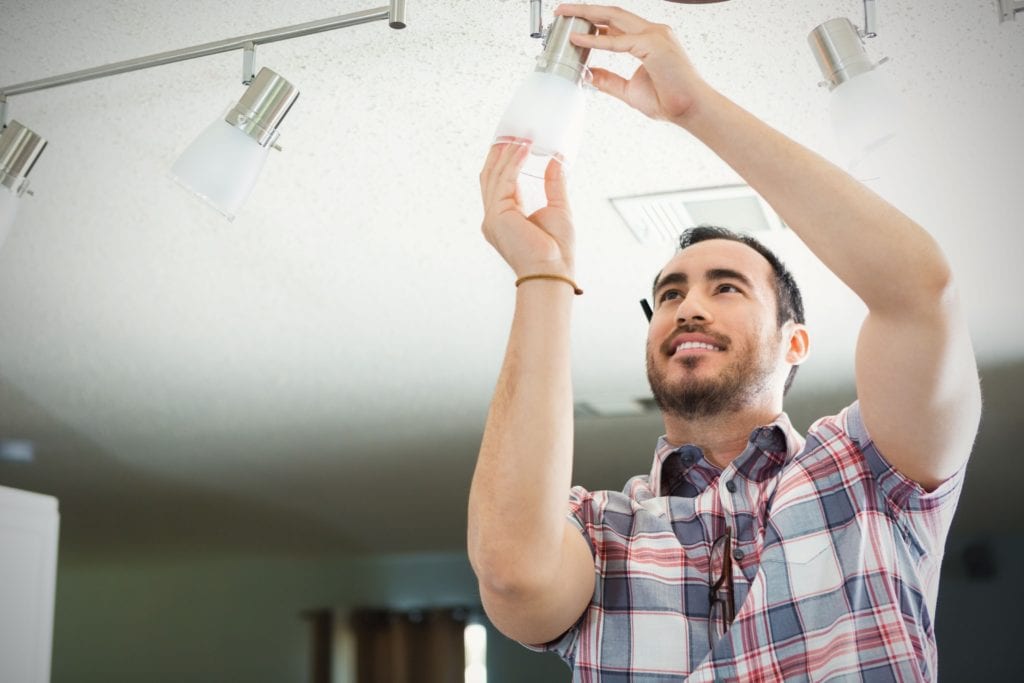
  • Switch to LED lighting

LED globes use significantly less energy than traditional halogen bulbs and typically last much longer. Replacing frequently used light bulbs with LEDs is one of the simplest upgrades renters can make. 

  • Choose (and use) energy-efficient appliances

If you're purchasing appliances such as microwaves, portable heaters, fans or washing machines, compare its energy efficiency. Higher-efficiency models generally use less electricity over their lifetime. And consider using a slow cooker, air fryer or microwave instead of your oven when you can, small appliances can be quicker and more energy efficient.

  • Use curtains and shading

Block summer heat by closing blinds, curtains or blackout curtains during the hottest parts of the day. Portable shading solutions can help reduce indoor temperatures and lessen reliance on air conditioning. 

  • Stop draughts

Small gaps around doors and windows can allow warm or cool air to escape. Removable door snakes, weather seals and temporary draught-proofing products can help improve comfort without permanently altering the property, and many are available at your local hardware store. Laying rugs down on floors can also help to keep warmth in. 

Something as simple as reducing draughts can contribute to meaningful energy savings. 

  • Wash clothes in cold water

Most of the energy used by a washing machine goes towards heating water. Switching to cold-water washes can significantly reduce energy consumption while still delivering effective cleaning for everyday laundry. 


Turn appliances off at the wall

Many devices continue drawing power when they're not in use. Standby power can add unnecessary costs over time. Turn off televisions, gaming consoles, chargers and kitchen appliances at the wall when they're not needed.


 

Have a conversation with your landlord

Some energy-saving improvements may require approval but could benefit both you and the property owner.

Consider discussing:

  • Upgraded insulation 

  • More efficient heating or cooling systems

  • Ceiling fans

  • Energy-efficient lighting throughout the property

  • Replacement of older appliances supplied with the rental 

Framing these changes as improvements that may increase comfort, reduce running costs and enhance the property's appeal can help support the discussion.

Frequently asked questions

1. What is the easiest way for renters to save energy?

Start with no-cost habits such as washing clothes in cold water, turning appliances off at the wall, optimising heating and cooling settings and drying clothes naturally where possible. 

2. Are LED lights worth it in a rental property?

Yes. LED bulbs use less energy than halogen lights and typically last much longer, making them one of the easiest renter-friendly energy upgrades. 

3. Can renters improve insulation?

While major insulation upgrades usually require landlord approval, renters can reduce heat loss and unwanted airflow with temporary draught-proofing solutions, door snakes and window coverings. 

4. Do small energy-saving changes really make a difference?

Yes, combining several small actions can collectively reduce household energy use and help lower energy bills. 

The bottom line

Renters don't need expensive renovations to improve energy efficiency. By combining smart everyday habits with portable, low-cost home improvements, you can make your rental more comfortable, reduce energy waste and potentially lower your energy bills. 

The key is to focus on the changes you can control today, while exploring larger improvements with your landlord where appropriate. 

Do you want to save more on your home energy bill?

AGL's Peak Energy Rewards program can reward you with bill credits for reducing your home energy use during peak times.

Related articles