
Slow and steady: How Emily electrified her home one project at a time

Buying her first home in 2018 was the perfect opportunity for Emily to start her family’s all electric journey. Cutting her energy bills in half was just the beginning.

For AGL Government Programs Manager Emily Skehill, buying her first home in 2018 was about far more than moving into to a family home. It was a chance to achieve her dream of a more sustainable life for her and her family.  

“After working in the renewable energy industry since 2009, I was excited to switch to all electric and lower my bills, update my home and do my bit to reduce carbon emissions,” she says. 

She planned out her home’s transformation carefully, committing to one energy-saving project a year, making use of government support and rebates.

Six years later, Emily has transformed her home from a 2-star to a 10-star energy efficiency rating, eliminated gas and cut her energy bills by around $1,500 a year.  

She shares her phased approach to electrifying her home – and her practical tips for anyone thinking about making the switch.
Electrify your home with a phased approach

Focus on fixtures and fittings first

Before moving in, Emily upgraded to LED lighting, low-flow tapware and shower heads, and installed DIY draught sealing on windows and doors to help with insulation. These simple changes add up to bill savings quickly.  “When hot water makes up more than 20 per cent of energy used in a home, it makes sense to have efficient shower heads so you can enjoy a hot shower knowing you’re not pouring money down the drain. Draught sealing is another simple and cost-effective way to help heat and cool your home efficiently, keeping money in your pocket rather than leaking through gaps around windows and doors.”

Get started with solar

Emily’s first project after moving in was to install a 3.6kW solar system, made affordable by Victorian government grants, a low interest loan and a discount from the national small-scale renewable energy scheme

“We noticed an immediate reduction in our bills after going solar – they went down by about half,” she says. “Without a battery, I make the most of my solar system by using timers to run appliances during the day. I also pre-cool the house early on hot summer days and set my hot water to reheat during peak daylight hours.”

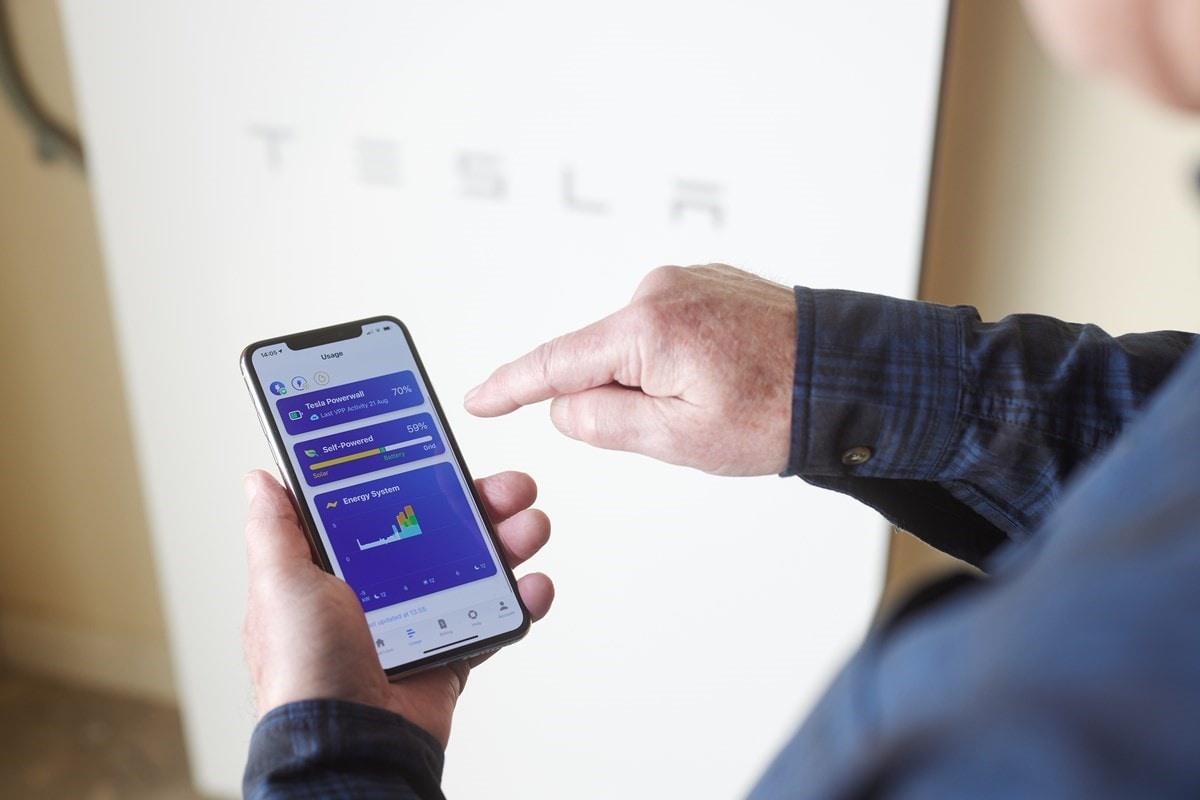
To make the most of solar and reduce your reliance on the grid, you could consider getting a battery. With the federal government’s battery rebate, there’s never been a better time to see if a battery makes sense for you. 

“We noticed an immediate reduction in our bills after going solar – they went down by about half”

Update your cooking

The next big switch for Emily was updating her gas cooktop to induction in 2020. Her induction cooktop is easy to cook on and clean, frees up extra bench space in her kitchen and the safety features give her peace of mind with young children at home. 

“I know some people love cooking with gas, but with induction, I love that I have so much temperature control and the rapid cooldown and auto switch-off features make it feel so safe to use,” she says. 

Her gas hot water heater was the next appliance to update in 2021, when she switched to a split system heat pump. She also started using her reverse cycle air conditioner for heating to further reduce her family’s reliance on gas. And the next year, she completed her electrification journey by installing a second reverse cycle air conditioner.  

“Electrifying our hot water, cooking and central heating meant we could eliminate our gas bill,” she explains. “It’s great to see our energy spending in a single monthly bill and makes it much easier to manage. 

Boost your energy rating through insulation

In 2024, Emily tackled the insulation in her home. She removed all the redundant gas ductwork and patched ceiling vents before upgrading the original blow-in ceiling insulation to R7.0 – a higher grade insulation that reduces heat transfer. It was a hidden change that made a huge difference, boosting her home from a 2-star to a 10-star energy efficiency rating. 

“I wish I’d known what a big difference proper insulation would have on how comfortable the temperature in my house stays, and how much less I’d need to use the AC,” she says. “It’s a set and forget investment in comfort.”  

Emily’s slow and steady approach to electrification has saved her $1,500 a year on energy bills. It’s also made her home safer and more comfortable for the whole family. And she’s not stopping any time soon. She has plans to install a solar battery and switch to an electric vehicle in the future.

Emily’s top home electrification tips

  • Take a phased approach – don’t try to tackle everything at once. Try AGL’s Electrify Now tool to show you what this could look like.

  • Start small – every little bit counts.

  • Do you research and take advantage of government rebates.

  • Upgrade or install insulation as soon as you can. It can make a huge difference.

Thinking about going  electric?


Estimate your potential savings, explore government rebates and get quotes from trusted installers.

Related articles