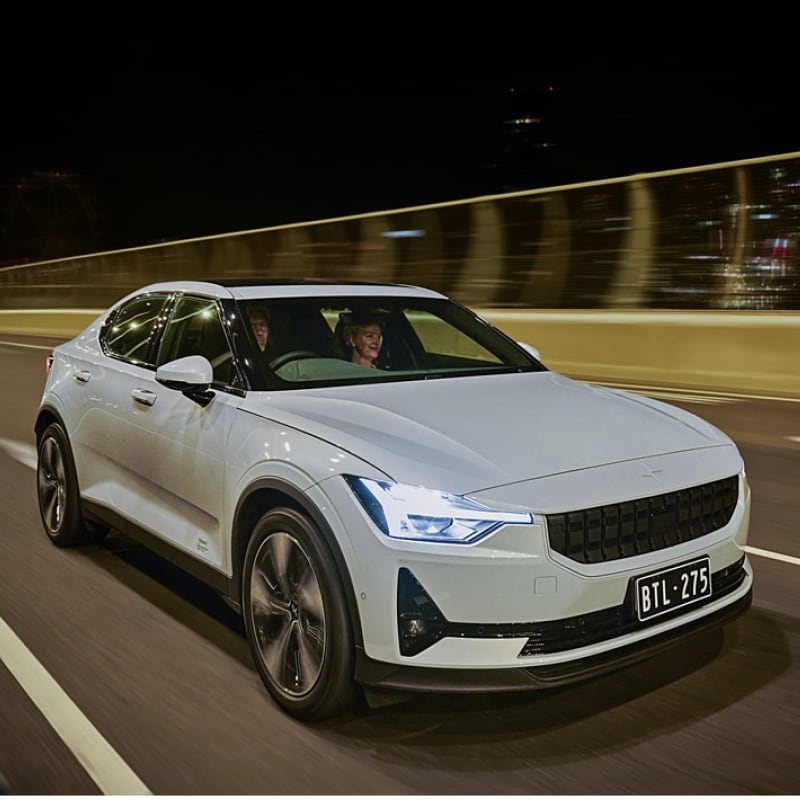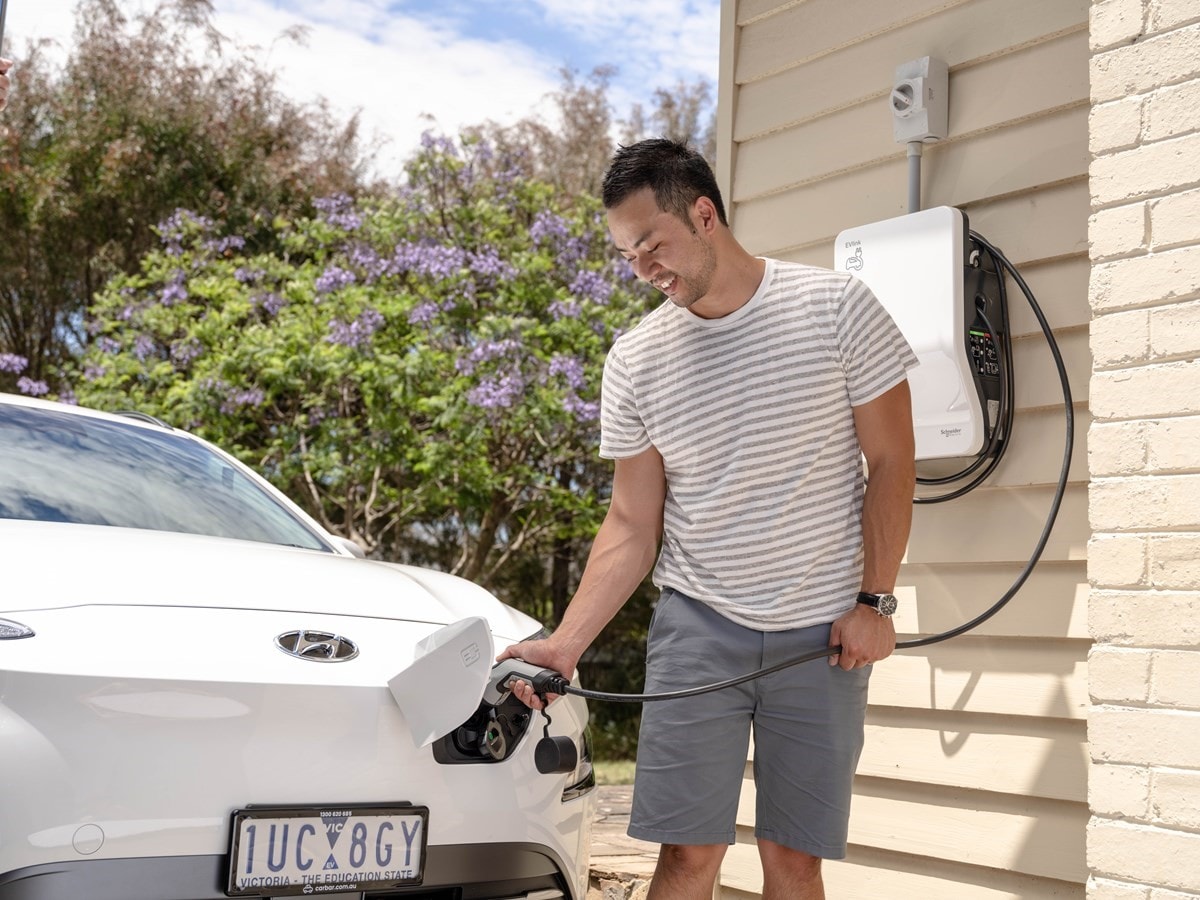
Using bidirectional charging technology, an EV battery can both receive electricity and supply electricity when needed. This can enables households, businesses and electricity providers to make better use of renewable energy, improve energy resilience and potentially reduce energy costs.
What is Vehicle-to-Grid and Vehicle-to-Home technology?
Electric vehicles (EVs) are becoming more than just a mode of transport. Thanks to Vehicle-to-Grid (V2G) and Vehicle-to-Home (V2H) technology, compatible EVs can also act as energy storage systems that can support homes and the electricity network.
What is Vehicle-to-Grid (V2G)?
Vehicle-to-Grid technology enables electricity to flow between an electric vehicle and the electricity grid.
With a compatible EV and bidirectional charger, energy can be stored in the vehicle's battery when electricity is abundant or inexpensive. The stored energy can then be exported back to the grid during periods of high demand.
V2G technology can help:
Support electricity grid stability
Reduce peak electricity demand
Increase the use of renewable energy such as solar and wind
Create opportunities for EV owners to be rewarded for providing exporting energy to the grid services
Turn electric vehicles into flexible energy assets
According to the International Energy Agency (IEA), V2G technology can help reduce peak electricity demand and provide grid stabilisation services through controlled charging and discharging of EV batteries.
What is Vehicle-to-Home (V2H)?
When an electric vehicle is connected at home through a charger, Vehicle-to-Home (V2H) technology enables the vehicle's battery to supply electricity to the household.
Using a compatible EV and bidirectional charger, energy stored in the vehicle's battery can be used to power household appliances, reducing reliance on grid electricity.
Vehicle-to-Home can help households:
Use more of their rooftop solar generation
Reduce electricity purchased from the grid
Shift energy use away from expensive peak pricing higher prices during peak periods
Increase energy independence
Provide backup power during power outages where supported by the system
V2H effectively allows an EV to operate like a home battery while retaining its primary purpose as a vehicle.
How Does V2G and V2H technology work?
Both V2G and V2H rely on bidirectional charging, which allows electricity to move in two directions between an electric vehicle and a charger.
Traditional EV chargers only charge a vehicle battery. Bidirectional chargers can both charge the battery and export stored energy from the battery to the home or the electricity grid.
1. Bidirectional Charging
A bidirectional charger converts electricity between alternating current (AC) and direct current (DC), allowing energy to move to and from the vehicle battery.
2. Smart Energy Management
The charger, vehicle and energy management platform communicate to determine when charging or discharging should occur.
This may consider things like:
Electricity demand
Electricity prices
Available solar generation
Grid conditions
Driver charging preferences
3. Energy Storage
Electricity is stored in the EV battery during charging periods, including from rooftop solar or the electricity grid.
4. Energy Export
When required, energy can be discharged from the EV battery to:
Power a home (V2H)
Support Provide energy to a business
Export electricity back to the grid (V2G)
5. Potential Financial Benefits
In some V2G programs, EV owners may receive financial rewards or credits for exporting electricity or participating in grid support programs.

Benefits of Vehicle-to-Grid (V2G) and Vehicle-to-Home (V2H)
Lower Energy Costs
Households can charge an EV when electricity prices are low or when solar generation is available and use that stored energy later.
Better Use of Solar Energy
Instead of exporting excess solar energy to the grid during the day, households may be able to store it in their EV battery and use it later=in the evening when the sun goes down.
Improved Grid Stability
When many EVs participate in V2G programs, their combined battery capacity can help support the electricity grid during periods of high demand.
Increased Renewable Energy Integration
V2G can help balance the variability of renewable energy sources like solar and wind by storing excess generation energy that is generated and releasing it when neededthe demand increases.
Backup Power Capability
Some V2H systems may provide backup power during electricity outages, helping keep essential appliances operating.
Greater Energy Flexibility
Rather than being a passive consumer of electricity, an EV owner can actively participate in managing energy use and storage.
| Feature | V2G | V2H |
|---|---|---|
| Full name | Vehicle-to-Grid | Vehicle-to-Home |
| Energy destination | Electricity grid | Household |
| Primary purpose | Grid support & energy services | Powering a home |
| Potential financial benefits | Yes, through some programs | Yes, indirect savings through reduced electricity use from grid |
| Renewable energy support | High | High |
| Backup power capability | Limited | Yes, where supported |
Frequently Asked Questions
What is bidirectional charging?
Bidirectional charging is a technology that allows electricity to flow both into and out of an electric vehicle battery using a compatible charger.
Can all electric vehicles support V2G or V2H?
No. V2G and V2H require a compatible electric vehicle and a compatible bidirectional charger. Availability varies by vehicle manufacturer and model.
Is V2G available in Australia?
V2G technology is emerging in Australia, with trials and pilot programs helping to test how EVs can support homes and the electricity grid.
Can an electric vehicle help power a house?
Yes. With a compatible V2H system, an EV can supply electricity to a home using energy stored in its battery.
What is V2X?
Vehicle-to-Everything (V2X) is an umbrella term that includes:
Vehicle-to-Grid (V2G)
Vehicle-to-Home (V2H)
Vehicle-to-Building (V2B)
Vehicle-to-Load (V2L)
These technologies allow EV batteries to provide energy beyond transportation purposes.
Want to know more about AGL's Vehicle-to-Grid trial?
Learn how compatible EVs could help power your home, support the grid and unlock new energy opportunities.