Bridging the capital gap in renewable gas: why structure matters

Renewable gas in Australia has moved well beyond the pilot phase. The technology works, the chemistry is proven and real projects are already delivering results.

Key Takeaways

  • While technical capability has progressed, the key constraints on scaling are increasingly commercial rather than engineering‑led.
  • Build structures that give capital confidence through demand aggregation, long‑term commitments and clear risk allocation.
  • With the right structure renewable gas can scale responsibly, at pace, becoming a meaningful part of the evolving energy system.

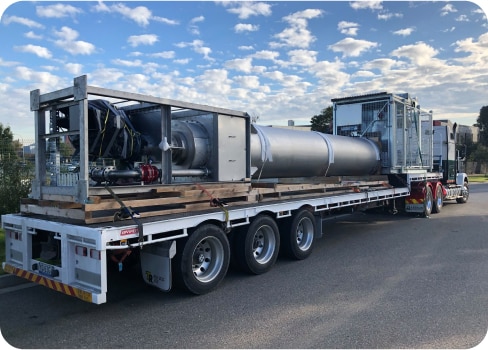
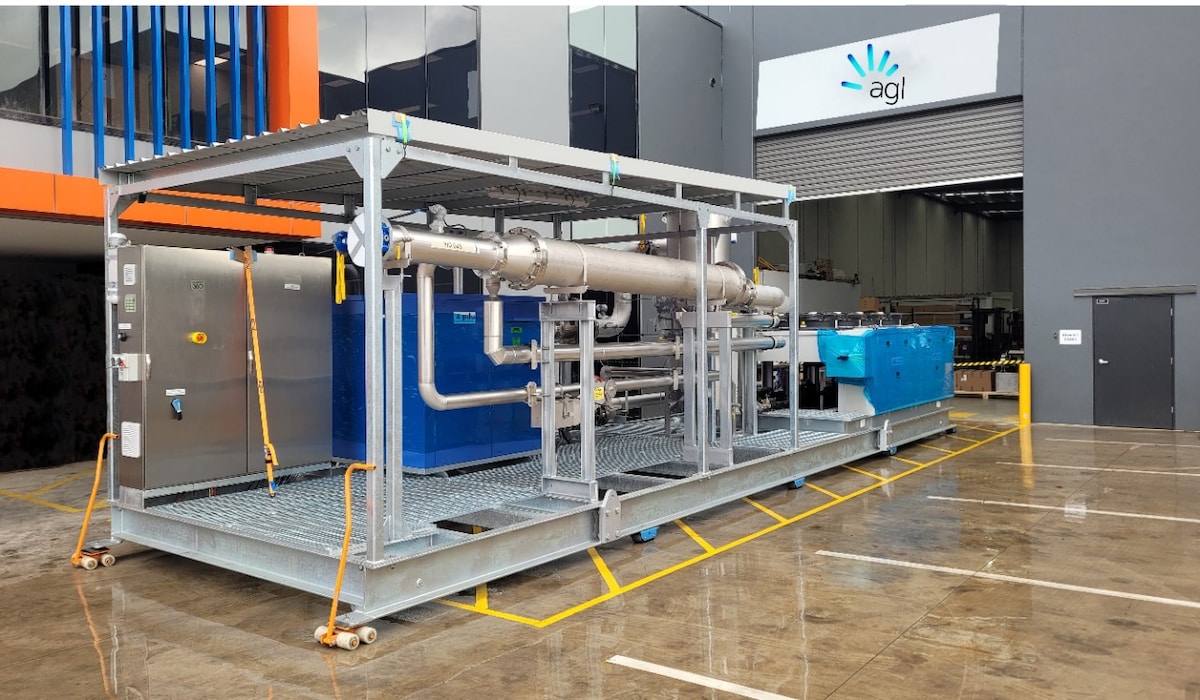
At sites like JBS Foods’ Beef City and Scone facilities, bioenergy systems have demonstrated the potential to displace natural gas, cut emissions and in some cases deliver carbon credit value and reduced net energy costs, depending on project‑specific factors.

Feedstocks are increasingly well understood and the technology is operating at commercial scale in Australia and internationally, with engineering risks that are better characterised and typically managed through established delivery models.

So why isn’t renewable gas scaling faster? While technical capability has progressed significantly, the key constraints on scaling today are increasingly commercial rather than engineering‑led.
Renewable gas behaves like infrastructure

Renewable gas projects behave much more like infrastructure than short‑term energy supply. They require significant upfront investment, operate over 15 to 20 years and depend on stable, predictable revenue to attract finance.

Yet much of the market still treats renewable gas through a short‑term procurement lens. That mismatch matters. When asset life, revenue duration and risk allocation aren’t aligned, capital becomes more expensive or, in some cases, unavailable.

The barriers holding projects back are well understood: high upfront development and construction costs, variability in feedstock supply, uncertainty around policy and Scope 1 emissions  treatment, long asset lives without matching offtake commitments, and multiple counterparties carrying different risks.

These are increasingly financing and commercial challenges rather than engineering ones.

Capital markets don’t require certainty about every outcome, but they do require clarity. Without revenue structures capable of supporting financing, transparent risk allocation and durable contracts, projects struggle to reach investment grade and scaling slows.

What capital needs

When financiers assess infrastructure‑style assets like renewable gas, three fundamentals matter most.

  • Long‑term revenue certainty - offtake arrangements are typically essential. Without confidence in cash flows over the life of the asset, risk becomes difficult and expensive to price.
  • Clear allocation of risk - feedstock, operational, performance and counterparty risks need to be clearly defined and allocated to the parties best placed to manage them.
  • Creditworthy, durable demand - industrial customers with long‑term decarbonisation needs can underpin renewable gas but only when commitments align with asset life

Capital doesn't need perfection, it needs structure.

Where retailers make the difference

This is where energy retailers play a critical and often underestimated role.

We sit at the intersection of customers, developers and capital. We understand industrial energy demand, decarbonisation pathways, procurement strategies and operational realities. Importantly, we know how to structure commercial arrangements that balance certainty for investors with flexibility for customers.

Retailers don’t just sell gas - we aggregate demand and translate it into financeable infrastructure. By bringing together commitments from multiple customers into a single, structured offtake arrangement, retailers can aggregate fragmented demand and support more predictable revenue arrangements, aligning with the conditions capital markets typically look for.

In practice, this means retailers can:

  • Aggregate long‑term industrial demand across customers
  • Structure offtake contracts aligned with asset life, not short‑term procurement cycles
  • Allocate risk to the parties best placed to manage it
  • Integrate renewable gas into broader energy and decarbonisation strategies

We’ve already seen this approach work behind the meter in practice, including through JBS Foods’ bioenergy rollout. The same principle applies in front of the meter and at scale:

Aggregated demand → Structured offtake → Bankable revenue → Improved financing conditions → More viable projects

This is where renewable gas shifts from technically viable to commercially scalable.

Why this works for customers

Structured, retailer‑led models aren’t just about unlocking capital. They can also deliver clear benefits for industrial customers. They provide:

  • Access to renewable gas without owning or developing the asset. 
  • Long‑term renewable gas supply arrangements aligned with asset life, rather than short‑term procurement cycles.
  • Reduced exposure to development, construction and operational risk, with risks allocated to parties best placed to manage them.
  • Practical integration into existing energy procurement strategies

For customers, this can mean credible decarbonisation pathways with reduced exposure to infrastructure risk and greater cost certainty compared to unstructured, project‑by‑project approaches.

Lessons from the energy transition

Other parts of the energy transition faced similar challenges. Utility‑scale solar, batteries and corporate PPAs scaled more rapidly once commercial models matured. Long‑term contracts, indexed pricing, BOOM structures and tolling arrangements helped align revenue, risk and asset life.

Renewable gas is no different. These models aren’t subsidies - they’re translation tools that help convert real customer demand into financeable economics. The goal isn’t to shift risk, but to allocate it responsibly in a way that supports long‑term delivery.


The road ahead

Interest in renewable gas is growing not in theory, but on the ground. Hard‑to‑electrify industries are actively seeking credible solutions. The technology is commercially demonstrated and the opportunity is real.

The question is no longer whether renewable gas can work. It’s whether we can put the right commercial foundations in place to help it scale.

Bridging the capital gap isn’t about inventing new technology. It’s about building structures that give capital confidence through demand aggregation, long‑term commitments and clear risk allocation.

Get the structure right and renewable gas can scale responsibly and at pace, becoming a meaningful part of Australia’s evolving energy system.

Outcomes referenced in this article depend on project‑specific, regulatory and commercial factors. Examples are illustrative and do not represent guaranteed outcomes for all renewable gas projects or customers.

Interested in renewable gas?

Discover more about how renewable gas can help transform commercial and industrial businesses.

Related articles